
Outsourcing CGI overseas makes sense for marketing hero shots, planning visuals and high-volume production runs, where fixed briefs and clear deliverables travel well across time zones. It works less well for early-stage iterative design, where fast back-and-forth beats overnight turnaround, or for prestige submissions where you need an art director in the room. Cost per render typically falls, delivery windows shrink thanks to overnight production, but you trade some day-to-day control. The rest of this guide covers the decision rules, pricing, workflows and contract points that make the trade worthwhile.
TL;DR:
- Outsourcing CGI overseas is cost-effective and fast for final marketing images, planning visuals, and high-volume interior packages, but less suitable for early-stage design iterations.
- A hybrid approach is often best, with in-house teams handling concept phases and outsourcing scaling for final render production when briefs are locked.
- Confirm ownership rights, confidentiality agreements, and revision limits in contracts, and always request a paid test render to evaluate quality before full engagement.
- Clear, detailed briefs with organized models, material references, and site data are crucial to minimize rework and ensure smooth communication across time zones.
- Success depends on disciplined feedback, consolidating comments daily, and setting reliable review checkpoints to leverage the overnight production advantage.
Table of Contents
- When to outsource, keep in-house or use a hybrid model
- Benefits and trade-offs of outsourcing CGI overseas
- Cost expectations and procurement models
- Practical briefing and production workflow for overseas teams
- Risk management, contracts and ownership
- Practical tips for working across time zones
- How Visual Trick addresses the common outsourcing risks and workflows
- Author perspective: a concise commissioning checklist
- Get a test render before you commit to a full CGI package
- Sources
- FAQ
When to outsource, keep in-house or use a hybrid model
The right sourcing model depends on where a project sits in its lifecycle, not just its budget. Early-stage concept work, where a scheme changes shape three times in a week, suits an in-house team or a tightly integrated local partner who can turn revisions around in hours. Final marketing assets, planning-ready photomontages and repeatable interior packages suit outsourcing overseas, because the brief is locked and the output is defined.
A useful rule of thumb: once you’re commissioning more than a handful of finished renders a year, or the same building type recurs across schemes, outsourcing starts paying for itself in scale rather than novelty.
- Concept massing studies and design-stage iterations: keep in-house or nearby.
- Final marketing hero renders and planning photomontages: strong candidates for overseas outsourcing.
- Confidential pre-launch schemes needing daily art direction: hybrid, with a local reviewer briefing an overseas team.
- High-volume interior packages across multiple units: outsourcing overseas usually wins on cost and throughput.
Many firms settle on a hybrid pattern: an in-house or nearby specialist owns early design visuals, while an overseas partner handles the polished final output once the brief stops moving.
Benefits and trade-offs of outsourcing CGI overseas
The main financial benefit is converting a fixed in-house salary cost into per-render or retainer spend, which scales with actual demand instead of sitting idle between projects. Comparative pricing data shows dedicated offshore specialists working on a monthly retainer can cost considerably less than paying local agency rates per image, especially once volume climbs.
The overnight advantage in practice: work handed off at the end of a UK working day can progress through an overseas team’s daytime hours and land back for review the next morning, effectively adding a production shift without adding headcount.
That time-zone leverage cuts both ways, though. Faster overnight production only helps if your feedback loop keeps pace; if approvals sit in someone’s inbox for two days, you lose the gain entirely.
- Cost savings scale with volume, not with a single one-off render.
- Overnight production adds capacity but rewards teams who reply promptly.
- Quality generally matches agency standards on standardised outputs; art direction still matters most on hero shots and unusual materials.
- Compare value on portfolio relevance and included revisions, not just the quoted price.
Cost expectations and procurement models
Two procurement models dominate: paying per render, or retaining a dedicated specialist on a monthly basis. Per-render pricing suits occasional or one-off jobs. A retainer model suits developers and agencies commissioning renders continuously across multiple sites, where a dedicated specialist becomes a predictable line item rather than a series of invoices.
Price bands vary with complexity: a straightforward exterior daylight render costs less than a dusk shot with landscaping, reflections and multiple camera angles; interiors with bespoke furniture and lighting studies sit higher again; animation and fly-throughs command the highest fees because of render time and editing. Fotober’s outsourcing guide recommends locking scope, cost and timeline into a written agreement before work starts, precisely because complexity creep is where quotes unravel.
Before committing to a full engagement, ask for a small paid test render under a short deadline. It costs little and tells you more about a team’s process than any portfolio can.
- Per-render pricing: best for occasional or single-scheme work.
- Retainer/dedicated specialist: best for continuous, multi-site pipelines.
- Watch for hidden costs: extra revision rounds, rush fees, model clean-up and source-file licensing can all sit outside the headline quote.
- A paid test render with a defined SLA is the cheapest de-risking step available.
Practical briefing and production workflow for overseas teams
Rework almost always traces back to a thin brief. Give an overseas team everything they need up front and you cut revision cycles significantly.
- Clean CAD or BIM exports with sensibly named layers, so the team isn’t guessing which surface is render or which line is a boundary.
- Material references and finishes schedules, including brick bonds, cladding colours and glazing specifications, ideally with photographs rather than descriptions alone.
- Scale and planting data, ideally following accurate planting visual standards so landscaping reads as real rather than generic.
- Camera specifications and site reference photography, particularly for photomontage work where the render must sit convincingly into an existing view.
- A written style reference, whether that’s previous approved renders or a mood board, so the studio isn’t interpreting tone from scratch each time.
Editable model formats matter more than most briefs acknowledge. A model exported cleanly from SketchUp or Revit, with sensible groupings, saves hours compared with a flattened mesh the studio has to rebuild. A structured file handoff checklist prevents most of the back-and-forth that eats into turnaround time.
Structure the review cycle in rounds rather than drip-feeding comments: a first test render, one consolidated round of direction covering every stakeholder’s feedback at once, then a final deliverable with a written change list attached to each version.
Pro Tip: Nominate one person to consolidate feedback from planners, marketing and directors before it goes to the studio. Three separate emails with contradictory notes will cost you a full production day.
Risk management, contracts and ownership

Get an NDA signed before you share any unpublished scheme, not after work begins. Confidentiality matters more with overseas partners simply because you can’t walk into their office to check how files are stored.
Ownership transfer needs to be explicit in writing. Industry guidance is consistent on this point: confirm that final image rights pass to you on payment, not merely a licence to use them, and specify who owns the underlying 3D model if you might need it again.
- Sign the NDA before sharing drawings, not after the quote is agreed.
- Get ownership transfer and usage rights written into the contract, not implied.
- Define the number of included revision rounds and what counts as a chargeable extra.
- Agree turnaround SLAs with a stated remedy (discount or priority reslot) if deadlines slip.
- Use secure transfer methods and limit how widely your model files circulate within the studio.
Practical tips for working across time zones
The overnight benefit only holds if your process is disciplined on your end. Batch every comment into a single written change list rather than firing off notes as you spot them; scattered feedback is what turns a 12 hour time advantage into a three-day delay.
Set one daily checkpoint, whether that’s a short video call or a written status update, so nothing sits unclear for a full working day. And treat the first render each morning as a quality gate: a quick five-minute check catches a wrong material or missed brief note before it compounds through the rest of the batch.
- Consolidate feedback into one round per day, not a running commentary.
- Fix a single daily checkpoint time that works across both zones.
- Review the first overnight render immediately as a quality control step.
How Visual Trick addresses the common outsourcing risks and workflows
Visual Trick produces all imagery in-house through a single, experienced operator, which means direct communication and one point of accountability rather than a chain of account managers. Work covers architectural visualisation, exterior and interior CGI, planning visuals and marketing renders across developers, architects, planning consultants, estate agents and interior designers.
That structure maps directly onto the checklist above:
- Portfolio examples relevant to your sector, including property CGI and interior work, are available to review before you commission anything.
- Test renders and defined revision rounds let you validate quality and pace before committing to a full project.
- Workflows are adapted to project purpose, whether that’s a planning submission or an investor pitch, rather than treated as one generic output.
The sensible next step: ask for portfolio examples matching your project type, request a short test render, and confirm revision terms in writing before the brief goes any further.
Author perspective: a concise commissioning checklist
Outsourcing overseas earns its place once your renders are for marketing or planning, not while a design is still finding its shape. If I had one non-negotiable, it’s this: never commission a full package before a paid test render under a short SLA. It costs little, and it tells you in days whether a studio’s judgement matches your brief, long before you’ve spent the real budget.
— Paride
Get a test render before you commit to a full CGI package
Some CGI studios offer the alternative to juggling multiple freelancers or a distant agency by providing one experienced operator, direct communication, and deadlines built around your project rather than a queue. That matters most when you’re commissioning planning visuals under a submission date or a marketing hero render ahead of a launch, where a missed handoff costs you the slot.
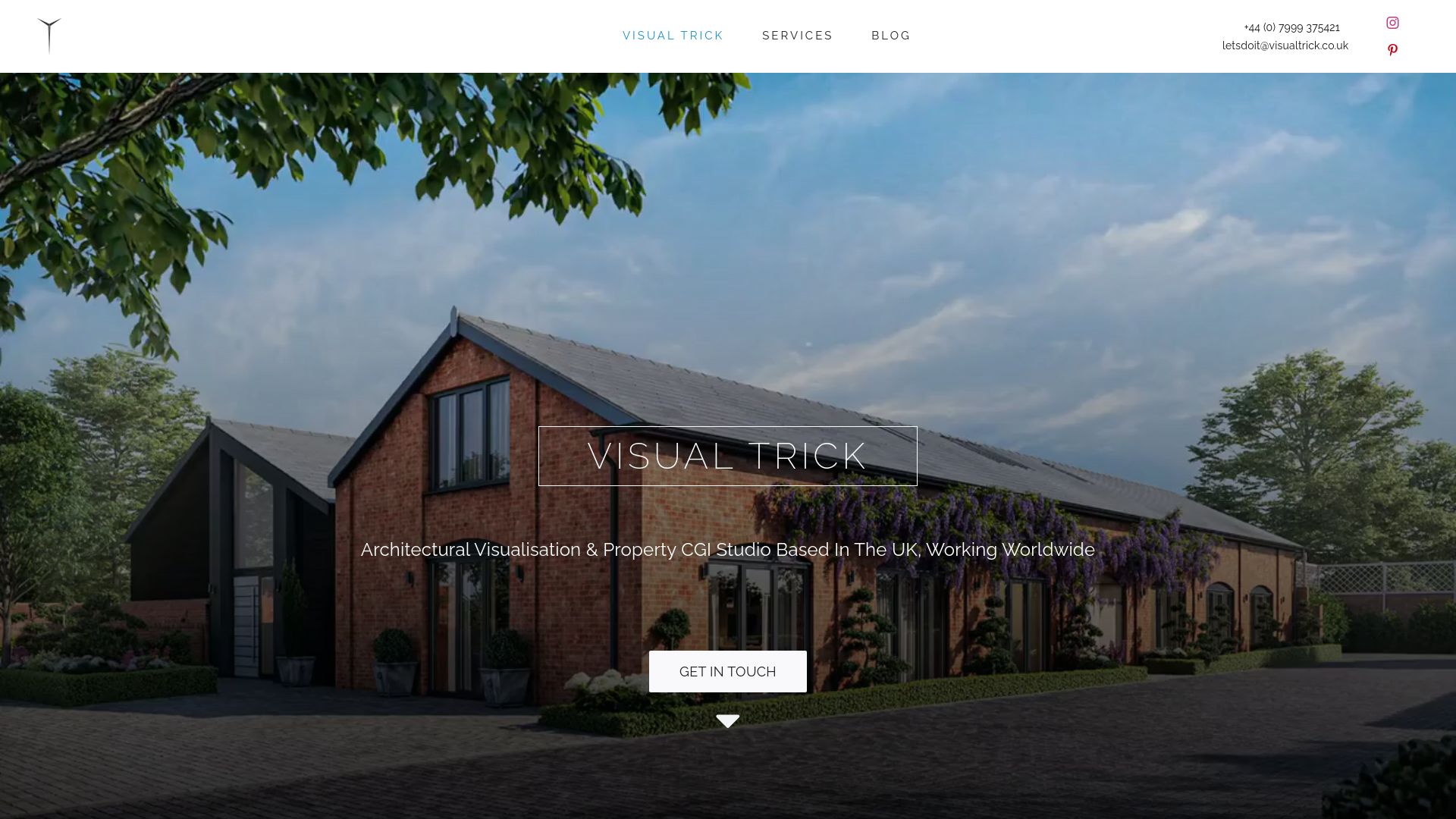
If you’re weighing up an overseas partner for an upcoming scheme, start small. Request portfolio examples close to your project type, whether that’s exterior CGI for a housing development or interior CGI for a show apartment, then ask for a short test render before committing to the full brief. For planning-stage work, the CGI photomontage and verified views services are built specifically around submission requirements rather than adapted from generic marketing output. Get in touch to discuss your project and request a sample before you sign anything.
Sources
- Architectural Visualization Pricing: Local vs Outsourced 2026
- 3D Architectural Rendering Outsource: A Guide for Builders & Studios
- How to Choose an Outsourced Architectural Rendering Team
FAQ
Is outsourcing CGI overseas cheaper than hiring in-house?
Usually, yes, for anything beyond occasional one-off renders. Dedicated overseas specialists on a retainer tend to cost considerably less per month than a full-time in-house hire, though early-stage iterative work often still suits keeping a designer close by.
How long does an outsourced CGI render typically take?
Turnaround depends on complexity and revision rounds agreed in the brief, but overnight production across time zones lets a UK-based team submit a brief at the end of their working day and often see progress the next morning. Delays usually come from slow feedback on the client side, not the studio’s production speed.
What should I check before signing a contract with an overseas CGI studio?
Confirm the NDA is signed before sharing drawings, that image ownership transfers to you on payment, and that the number of included revision rounds is stated in writing. A short paid test render before the full engagement is the simplest way to check quality and communication.
Does Visual Trick offer test renders before a full project?
It is common practice to request portfolio examples and discuss a sample render before committing to a full brief, so you can confirm fit for planning or marketing purposes. Current pricing for services such as architectural visualisation and planning visuals is available directly from Visual Trick.
What files do I need to prepare before briefing an overseas CGI team?
A clean, well-organised CAD or BIM export, material references, scale and planting data, and camera angles or reference photography are the essentials. Supplying an editable model rather than a flattened file, following a structured handoff checklist, significantly cuts down on rework.
